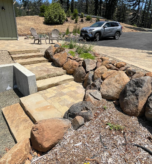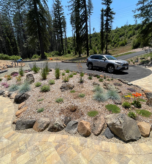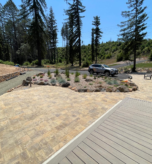


A great garden does more than look good on installation day — it keeps improving as it matures, developing depth and character over seasons and years. This guide explores what thoughtful garden design actually involves, where to find garden design ideas that hold up beyond a single Pinterest scroll, and how to approach a specialized project like butterfly garden design plans if pollinator-friendly landscaping is part of your vision.
What Makes Garden Design Different From Simple Planting
There’s a meaningful difference between placing attractive plants around a yard and genuinely designing a garden. Our garden design team plans plantings around how the space will look and function not just when it’s freshly installed, but as it matures — accounting for growth patterns, seasonal changes, and how different plantings will interact with each other over years, not just weeks.
What separates thoughtful garden design from ad hoc planting:
Layered planting strategy. A well-designed garden considers height, texture, and bloom timing together, creating visual interest that shifts throughout the seasons rather than peaking once and fading.
Growth trajectory planning. Plants selected and spaced with their mature size in mind avoid the overcrowding and awkward competition for light and nutrients that often plague gardens planted purely for immediate visual impact.
Purposeful color and texture coordination. Rather than a random assortment of appealing individual plants, genuine design considers how colors, textures, and forms work together as a cohesive composition.
Site-specific plant selection. Understanding your property’s specific sun exposure, soil, and drainage conditions ensures the garden design ideas you’re drawn to will actually thrive in your particular location, not just in the photos where they originated.
Where Genuinely Useful Garden Designs Come From
If you’re browsing garden designs for inspiration, it’s worth understanding the difference between images that translate well to real properties and ones that look stunning purely because of ideal photography conditions or a climate very different from your own.
How to evaluate garden design ideas critically:
Check for climate compatibility. A garden design pulled from a different climate zone often requires significant substitution to work in California conditions — beautiful inspiration photos don’t always translate directly.
Look past the peak bloom moment. Many inspiration photos capture a garden at its single most photogenic moment. A genuinely well-designed garden should look good — not perfect, but genuinely appealing — across multiple seasons, not just one ideal week each year.
Consider maintenance realism. Some strikingly beautiful garden designs require intensive, ongoing maintenance to sustain their appearance. Understanding your own realistic maintenance capacity before falling in love with a high-maintenance design prevents disappointment down the line.
Assess scale appropriateness. A design that looks proportionate in a sprawling estate photo may need significant adaptation to work well in a more modest residential yard.
Butterfly Garden Design Plans: A Specialized Approach
For homeowners specifically interested in pollinator-friendly landscaping, butterfly garden design plans require a somewhat different design philosophy than a purely ornamental garden, since the goal extends beyond visual appeal alone to genuinely supporting butterfly life cycles.
Key elements of an effective butterfly garden:
Host plants for caterpillars, not just nectar plants for adult butterflies. A common mistake in butterfly garden planning is focusing exclusively on nectar-rich flowers while overlooking the specific host plants different butterfly species need for their larval stage. A genuinely supportive butterfly garden includes both.
Continuous bloom succession. Since different butterfly species are active at different points throughout the season, planning for continuous blooming from spring through fall provides more consistent food sources than a garden that peaks briefly and then offers little.
Sun exposure considerations. Butterflies are cold-blooded and rely on sun exposure for warmth and activity, meaning butterfly gardens generally perform best in locations with ample direct sunlight rather than heavily shaded areas.
Water and shelter elements. Beyond flowering plants, butterflies benefit from shallow water sources and some degree of shelter from wind, details that a comprehensive butterfly garden design plan accounts for beyond just plant selection alone.
Avoiding pesticide conflicts. A butterfly garden’s effectiveness depends heavily on avoiding pesticide use that could harm the very pollinators the garden is designed to support — an important consideration that fits naturally with Lagunas Hardscape broader commitment to pesticide-free practices across our projects.
How Garden Design Integrates With the Rest of Your Landscape
A garden rarely exists in isolation from the rest of a property’s design. Thoughtful garden design considers how planting areas relate to hardscape features, seating areas, and the overall flow of the outdoor space.
Ways garden design connects to broader landscape elements:
Framing hardscape features. Well-placed plantings soften and enhance patios, walkways, and other hardscape elements rather than existing as a separate, disconnected component of the yard.
Complementing water features. Gardens designed alongside water features often incorporate moisture-loving plants near the water’s edge, creating a more naturalistic, cohesive overall composition.
Supporting pergola and arbor structures. Climbing plants and surrounding garden beds can enhance pergolas and arbors, integrating these structural elements more fully into the garden’s overall design rather than leaving them as standalone features.
Rooftop and Space-Constrained Garden Design
Not every garden design project involves a sprawling traditional yard. For properties with limited ground-level space, custom rooftop garden design and lightweight planting solutions open up possibilities that traditional in-ground gardens can’t accommodate, including drainage and waterproofing enhancements specifically engineered for elevated planting environments.
Common Garden Design Mistakes to Avoid
Overcrowding at planting time. Spacing plants for their mature size, rather than how full the bed looks immediately after installation, prevents the overcrowding and competition issues that emerge a season or two later.
Ignoring seasonal transitions. A garden designed to peak during only one season leaves the rest of the year visually flat — thoughtful design plans for interest across multiple seasons.
Overlooking long-term maintenance needs. A garden design that doesn’t account for your realistic ongoing maintenance capacity often declines faster than one designed with sustainable upkeep in mind from the start.
Designing in isolation from the rest of the landscape. Gardens that don’t consider surrounding hardscape, structures, and overall property flow can end up feeling disconnected from the rest of the outdoor space.
Frequently Asked Questions
How is a butterfly garden design different from a standard ornamental garden? A butterfly garden specifically incorporates host plants for caterpillars alongside nectar sources for adult butterflies, along with sun exposure and water considerations that support the full butterfly life cycle, not just visual appeal.
Can garden design ideas from other climates be adapted for California properties? In many cases yes, with appropriate plant substitutions matched to California’s specific climate conditions — a professional design process helps identify which elements of an inspiration photo translate well and which need adjustment.
Does Lagunas Hardscape use pesticides in garden maintenance? No — we’re committed to pesticide-free practices and long-term green solutions across our garden design and maintenance work.
Can a garden be redesigned around existing mature plants, or does it require starting over? Often existing mature plants can be incorporated thoughtfully into a redesign, avoiding the need to remove healthy, established plantings unnecessarily.
Design a Garden That Grows More Beautiful Over Time
Whether you’re drawn to a classic layered garden design, exploring pollinator-friendly butterfly garden design plans, or working with a space-constrained rooftop location, Lagunas Hardscape brings thoughtful, climate-appropriate planning to every project. Explore our full Gardens services, browse our Gallery for real garden design examples, or reach out for a consultation to start planning your garden. Call +1 (707) 596-1466 today.