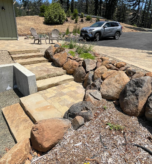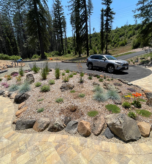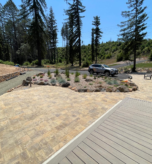


Few landscape investments pay off quite like a well-placed, well-chosen tree — providing shade, structure, seasonal interest, and long-term value that keeps growing literally and figuratively for decades. But getting a tree established successfully takes more than digging a hole and dropping in a sapling. This guide covers why professional tree planting services matter, what a genuinely thoughtful tree planting service actually involves, and how to avoid the common mistakes that lead to struggling or short-lived trees.
Why Tree Placement Deserves Real Planning
A tree is one of the longest-term commitments in any landscape design, often outliving the homeowner who planted it. That permanence is exactly why placement deserves careful consideration rather than an afterthought decision made on installation day.
Factors that should inform tree placement:
Mature size, not just current appearance. A tree that looks proportionate as a young sapling can dramatically outgrow its planting location within a decade, creating conflicts with structures, utility lines, or neighboring plantings that could have been avoided with proper planning upfront.
Root system behavior. Some species develop aggressive root systems capable of damaging foundations, hardscape, or underground utilities if planted too close to structures — a consideration that’s easy to overlook when focused purely on above-ground aesthetics.
Sun and shade patterns over time. As a tree matures, it changes the sun exposure for everything planted beneath and around it, which means tree placement decisions ripple outward into how the rest of your landscape design needs to be planned.
Seasonal interest and function. Depending on your goals — summer shade for a patio, seasonal color, screening for privacy — different species and placements serve fundamentally different purposes within your overall design.
Choosing the Right Species for Your Property
Not every tree suits every property, and a genuinely helpful tree planting service starts with species selection matched to your specific site conditions, not just aesthetic preference alone.
Considerations that shape species selection:
Climate suitability. California’s specific climate zones require species genuinely adapted to local conditions, rather than trees that might thrive in a different region’s growing conditions but struggle here.
Soil composition and drainage. Some species tolerate a wide range of soil conditions, while others require specific drainage or soil pH to thrive — details that matter enormously for long-term tree health.
Water requirements. Given California’s water considerations, choosing species with water needs aligned to your property’s irrigation capacity and your own maintenance preferences protects both your landscape’s sustainability and your long-term water costs.
Purpose within your broader design. Whether you need shade, privacy screening, seasonal color, or a focal specimen tree shapes which species genuinely serve your goals, rather than simply choosing whatever looks appealing at a nursery.
Why Professional Tree Planting Outperforms DIY Efforts
Tree planting might look simple, but the details that determine long-term survival and health are easy to get wrong without proper knowledge:
Correct planting depth. Planting too deep or too shallow are both common mistakes that can significantly affect a tree’s establishment and long-term health, sometimes not showing visible problems until years later.
Proper root preparation. Container-grown trees in particular often need specific root preparation before planting to prevent girdling roots that can eventually strangle the tree as it matures.
Appropriate staking and support. Incorrect or unnecessary staking can actually weaken a tree’s trunk development over time, while genuinely needed support that’s skipped can leave young trees vulnerable to wind damage or improper growth patterns.
Post-planting care protocols. The establishment period immediately following planting is critical, requiring specific watering and care patterns that differ significantly from an already-established tree’s needs.
How Tree Planting Fits Into Comprehensive Garden Design
At Lagunas Hardscape, tree planting isn’t treated as an isolated service — it’s integrated into our broader approach to garden design, since trees fundamentally shape how the rest of a landscape develops over time. Our garden design team plans plantings around how a space will look and function not just on installation day, but as it matures over years, which makes tree placement one of the most consequential decisions in the entire design process.
Why integrated planning matters for tree placement specifically:
Coordinated growth planning. Understanding how a tree’s mature canopy will interact with surrounding plantings, hardscape, and structures prevents costly conflicts down the line that isolated tree planting decisions often create.
Irrigation system compatibility. Trees have different watering needs than turf or smaller plantings, and a coordinated design ensures your irrigation system actually supports healthy tree establishment rather than working against it.
Long-term maintenance alignment. Trees planted as part of a comprehensive design benefit from ongoing garden care that accounts for their specific needs as part of your property’s overall maintenance plan, rather than being overlooked in isolation.
Signs a Tree Was Planted Incorrectly
If you’re dealing with an underperforming tree already in the ground, a few signs suggest planting-related issues rather than simple bad luck:
- Slow or stunted growth compared to expected rates for the species
- Visible girdling roots circling near the trunk base
- Persistent lean or instability despite the tree’s age
- Yellowing or stressed foliage without an obvious pest or disease cause
- Standing water or poor drainage consistently around the planting site
Any of these signs are worth having a professional assess, since correcting planting-related issues early is often far more effective than waiting until the problem significantly affects the tree’s long-term health.
The Long-Term Value of Getting Tree Planting Right
A properly planted, well-chosen tree appreciates in value — literally, in terms of property value, and figuratively, in terms of shade, character, and the mature landscape presence it provides over years and decades. Getting the placement, species selection, and planting process right from the start protects that long-term investment far more effectively than addressing avoidable mistakes years down the line, once a tree’s root system and growth pattern are already established.
Frequently Asked Questions
What’s the best time of year for tree planting in California? This varies by species, but professional guidance helps identify the optimal planting window for your specific tree choice and local conditions, rather than relying on generic seasonal advice that may not apply to every species.
How do I know if a tree species is right for my property? A proper site assessment — considering soil, drainage, sun exposure, and available space for mature growth — is the most reliable way to match species to property, rather than choosing based on appearance alone.
Can trees be planted as part of a larger landscape redesign, or only as standalone projects? Both are common — tree planting integrates naturally into a comprehensive garden design project, or can be added thoughtfully to an existing landscape as a standalone service.
Does Lagunas Hardscape offer any guarantee on newly planted trees? We stand behind the quality of every plant we install, including trees, with a plant warranty offering replacements for plants that don’t thrive as expected.
Plant Trees That Thrive for Decades, Not Just Seasons
Whether you’re planning a single specimen tree or incorporating tree planting into a complete garden design, getting placement, species selection, and installation right from the start makes all the difference in long-term success. Explore our Gardens services, browse our Gallery for real project examples, or reach out for a consultation to discuss tree planting for your property. Call +1 (707) 596-1466 today.